

Ai or human support?
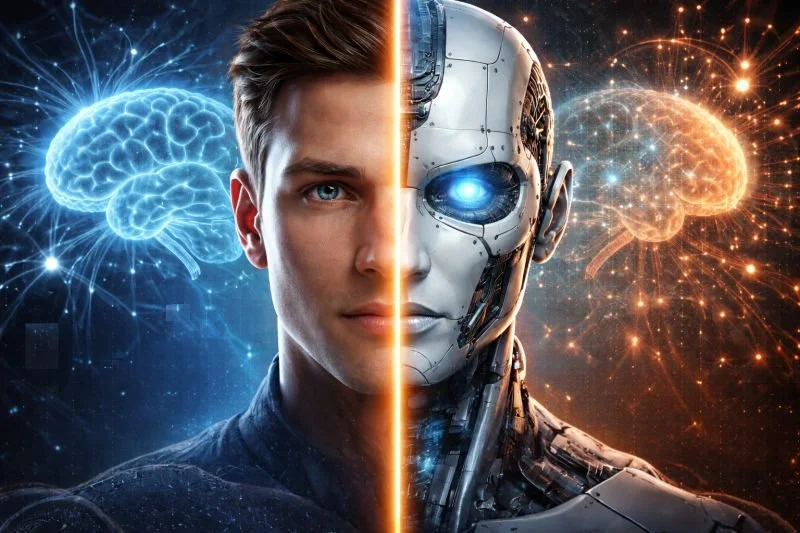
“ChatGPT isn’t programmed to do this kind of work…”
That’s what I caught myself thinking recently.
There’s a real shift happening in the coaching and therapy space. More and more people are turning to AI tools for support with growth, reflection, even emotional challenges.
And honestly — I get it.
* AI is available 24/7.
* It’s responsive.
* It’s affordable.
I used it myself recently during a family medical situation when I couldn’t access my GP in real time. Within seconds, I had a clear, structured overview of what might be happening.
It was impressive. And in that moment, it helped.
But it didn’t replace what I actually needed.
* It didn’t reassure me.
* It didn’t read between the lines of my worry.
* It didn’t adapt to the emotional weight of the situation.
In the end, we went to A&E — because sometimes you need more than information. You need human judgement, presence and care.
And I think that’s the real conversation we need to be having.
AI is powerful. It can support reflection, offer perspectives, even help people organise their thinking.
But coaching and therapy are not just about answers.
They’re about:
* being deeply seen and heard
* having someone notice what you’re not saying
* being challenged in a way that’s attuned, not generic
* building trust over time
That’s not just intelligence. That’s relationship.
If we start outsourcing all of our inner work to AI, we risk losing something essential — not because AI is “bad,” but because it’s incomplete.
The future probably isn’t AI or human support.
It’s AI and human support — used intentionally.
But when it comes to your mental wellbeing, your growth, your life direction…
it’s worth asking:
Where do I need information — and where do I need connection?
Would you choose AI, human support, or a combination of both?
Author - Kate Noakes